

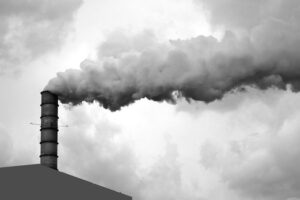
In its latest short-term energy outlook released today, the Energy Information Administration said that carbon emissions will climb 3.2 percent this year in the U.S. The EIA estimates that emissions from burning fossil fuels will rise another 1.6 percent in 2011.
Continue Reading U.S. Carbon Emissions to Rise by 3.2 Percent this Year
Subscribe to this site's RSS feed.
The U.S. Energy Information Agency (EIA) released a report summary earlier this week projecting a 43 percent rise in global carbon emission by 2035 under current policies and expected economic and population growth, particularly from developing countries.
Continue Reading Government Report Forecasts 43% Rise in Global CO2 Emissions by 2035
Subscribe to this site's RSS feed.
By Sarah Laskow, Media Consortium Blogger
(reposted with permission)
Coal consumption has costs — this week’s explosion at a West Virginia mine, which killed 25, made that clear. Those costs aren’t limited to human lives, either. Massey Energy Co., the owner of the West Virginia mine, has racked up not just safety violations but also consistently has disregarded the environmental effects of its work.
Continue Reading The Weekly Mulch from the Media Consortium: Massey Energy and the True Cost of Coal
Subscribe to this site's RSS feed.
A moderately popular blog can be very energy intensive. From energy consumed by the computer (or computers) at the bloggers end, to the server farm where the the blogs files are hosted, to the readers’ computers, a typical blog getting about 15,000 visitors per month generates about 3.5 kilograms (kg) of carbon annually. All this was worked out in a study by Harvard physicist Alexander Wissner-Gross, PhD, who determined that each visit to an average website causes about 0.02 grams of CO2.
Continue Reading Plant-a-Tree Program Helps Blogs Reduce Their Carbon Footprint
Subscribe to this site's RSS feed.
The recession has delayed the passage of energy legislation and it has stymied hopes for cap-and-trade. The current conventional wisdom is that cap-and-trade legislation is dead. However, rumours of the death of cap-and-trade may have been greatly exaggerated.
Continue Reading The Resurrection of Cap-and-Trade
Subscribe to this site's RSS feed.
The first decade of the 21st century has seen a decrease in global deforestation, bringing with it a reduction in forest carbon emissions. According to the Global Forest Resources Assessment 2010 report from the United Nations Food and Agriculture Organization (FAO), for the first time on record a declining rate of deforestation, combined with the planting of new forests and natural regeneration, has reversed a trend and slowed the rate of global forest cover loss.
Continue Reading Forest Carbon Emissions Decline With Reduced Deforestation
Subscribe to this site's RSS feed.
Researchers confirmed last week the combined emissions targets of the 55 nations that have submitted pledges under the Copenhagen Accord fall far short of the stated goal of limiting global average temperature increase to 2 degrees Celsius above preindustrial levels by 2100.
Continue Reading Pledged Emissions Targets Under the Copenhagen Accord Fall Short of Stated Goal
Subscribe to this site's RSS feed.
More CO2, more heat. More heat, more CO2. In its essence, that is the relationship of the positive feedback loop thought to fuel an rising global temperatures and CO2 emissions in the atmosphere.
Subscribe to this site's RSS feed.
NOTE: See the update below for the latest from the UNFCCC and links to countries officially submitting targets and mitigation plans under the Copenhagen Accord
Meeting the January 31st deadline specified in the Copenhagen Accord that president Obama helped negotiate at the COP15 climate conference in Copenhagen, the State Department has formally submitted its emissions reduction target to the UNFCC of 17 percent over 2005 levels by 2020. The target is consistent with expectations and in line with the Waxman-Markey Clean Energy and Security Act that passed the House last summer.
Subscribe to this site's RSS feed.
GlobalWarmingisReal contributor Anders Hellum-Alexander wraps-up the climate and environmental news headlines for the past week:


